





Home--EDUCATION--Blog--INDUSTRY NEWS
--Is It Legal to Resell Beauty Products Online or Wholesale? Understanding FDA & MoCRA Rules
Is It Legal to Resell Beauty Products Online or Wholesale? Understanding FDA & MoCRA Rules
September 11,2025
Knowing the law is a must. It saves you from headaches and keeps your shop running smoothly.
What Makes a Product Legal to Resell in the U.S.
Your products need to be safe for folks to use. Labels must list ingredients clearly, show the product’s weight, and follow FDA packaging rules. No contamination or fake claims allowed. That’s the deal.
Difference Between Authorized Resale and Unauthorized Distribution
Got permission from the brand? That’s authorized resale—nice and legal. Selling without their okay is unauthorized. It can land you in hot water, like trademark fights or counterfeit accusations, especially with fancy brands.
Labeling and Ingredient Disclosure Requirements
Labels need to be truthful. List all ingredients, the product’s weight, the maker’s info, and any warnings. Pick suppliers who meet tough FDA or EU standards. Bonus points for paraben-free or cruelty-free items—they build trust with customers.
FDA Regulations for Cosmetics Resellers
The FDA watches over cosmetics to keep them safe. Here’s what that means for you.
Overview of FDA’s Role in Cosmetic Product Oversight
Unlike drugs, cosmetics don’t need FDA approval before selling. But they must be safe for how they’re used. The FDA checks complaints and inspects if something seems off. Stay sharp to avoid trouble.
What the FDA Requires from Cosmetic Distributors and Sellers
Make sure your products aren’t dirty or mislabeled. Keep records of where they came from. You might need to report serious customer issues. A Material Safety Data Sheet (MSDS) from a good supplier makes this easier. It’s a game-changer.
Misbranding and Adulteration: What You Need to Avoid
Misbranding is when labels lie or skip key details. Adulteration means unsafe or contaminated goods. Both can lead to recalls or fines. Steer clear of these messes.
MoCRA Compliance Essentials
MoCRA’s the biggest change to U.S. cosmetic laws in decades. It shakes things up for resellers.
New Requirements Introduced by MoCRA for Cosmetic Businesses
You must register your facilities with the FDA, list your products, keep safety records, and stick to good manufacturing practices (GMP). These rules keep your products legit and safe.
Facility Registration, Product Listing, and Safety Substantiation
MoCRA pushes hard on GMP. Work with certified suppliers. Look for GMPC, ISO 22716, or BSCI certifications. They show a supplier’s serious about quality. Trustworthy manufacturers give you confidence.
How MoCRA Affects Wholesalers and Online Sellers
Put your name on the label? MoCRA calls you a “responsible person.” That means you’re on the hook for compliance, just like the manufacturer. Be ready to handle it.
Selling Private Label vs. Branded Beauty Products Online
Private label and branded sales aren’t the same. Each has its own legal twists.
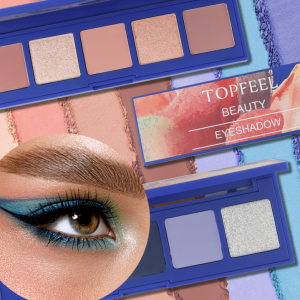
Legal Differences Between Private Labeling and Brand Reselling
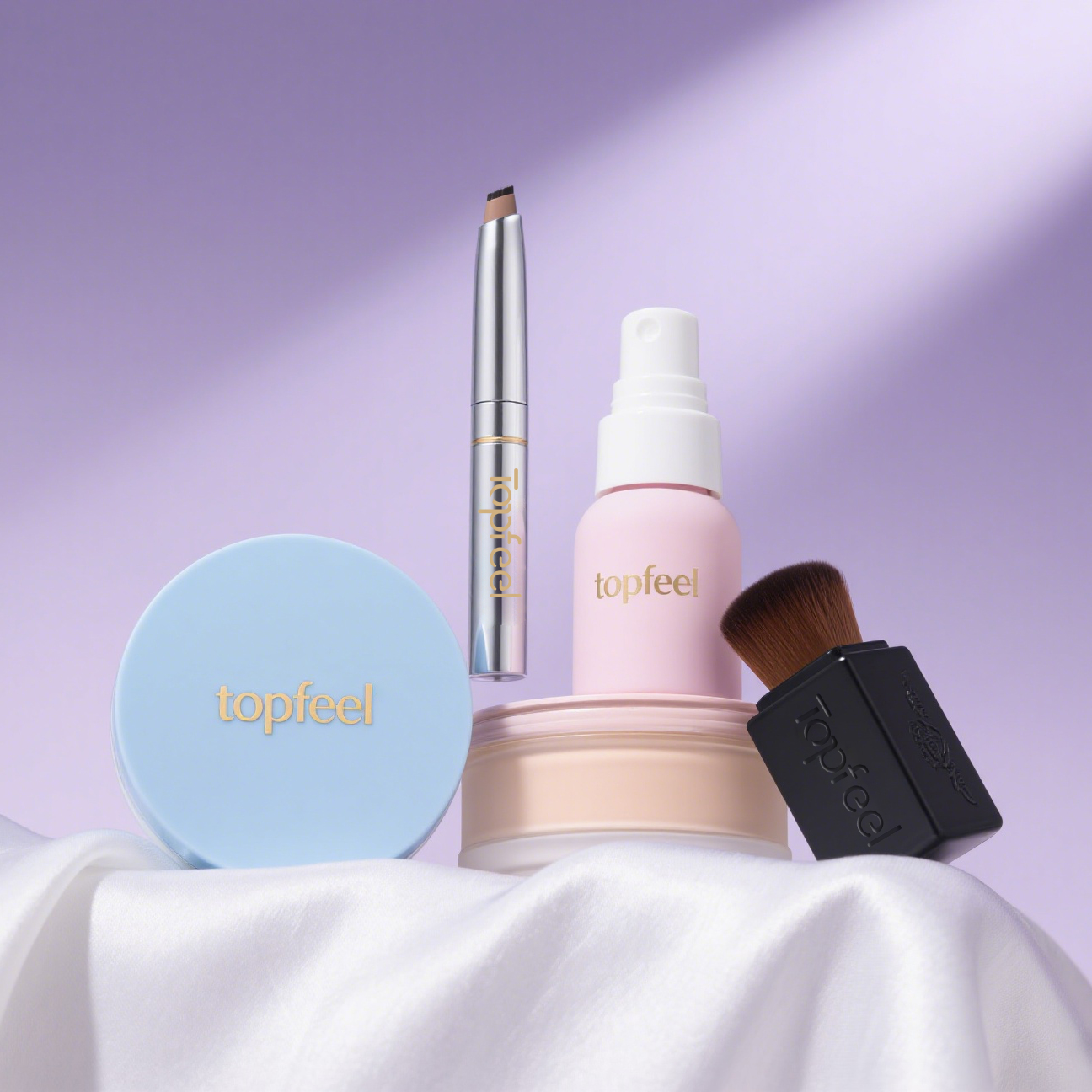
Private labeling lets you sell custom cosmetics under your brand, made by someone like Topfeel Group. You call the shots. Reselling branded stuff often needs the brand’s go-ahead to avoid legal trouble.
Intellectual Property Risks When Selling Branded Cosmetics
Selling branded goods without permission can spark trademark issues or fake product claims. Stick with reliable suppliers to stay safe. It’s the smart move.
Importing and Exporting Makeup Products: What You Should Know
Selling globally adds extra steps. You need to nail the rules for importing and exporting.
Customs Regulations for Imported Cosmetics
Imported cosmetics need English labels, FDA-compliant ingredients, tariff codes, and country-of-origin details. Mess this up, and your products get stuck at the border.
Ensuring Compliance with International Standards
Want to sell worldwide? Choose suppliers whose products meet U.S. and global rules, like EU standards. This keeps your goods ready for any market.
How a Compliant Partner Simplifies Distribution
A solid supplier makes life easier. Take Topfeel Group, started in 2009. They handle everything—research, design, packaging. Their GMPC and ISO 22716 certifications match MoCRA’s GMP rules. Plus, they give you an MSDS for each product. That’s a huge help for staying legal.
Steps to Start Legally Selling Beauty Products Online or Wholesale
Starting a cosmetics business takes more than cool products. Here’s how to do it right.
Sourcing from Certified Suppliers
Find suppliers with certifications. They guarantee quality and help you meet global rules. This step’s a big deal.
Setting Up Your Business Structure and Licensing Requirements
Set up your business—maybe an LLC or sole proprietorship. Get local or state licenses, like resale permits. Don’t forget taxes, especially if you’re selling online across states. Cover all bases.
Marketing Your Brand While Staying Within Regulatory Guidelines
Don’t claim your product “cures” anything without proof. Use safe, clear descriptions that fit FDA cosmetic rules, not drug claims. Play it safe and smart.
Summary of Key Points for Aspiring Beauty Product Sellers
- Learn the Rules: Know the laws before you start.
- Pick a Good Supplier: Certified partners cut risks.
- Keep Up: Stay on top of new laws to succeed.
FAQs
Q1: Can I legally resell makeup I bought wholesale?
A: Yup, as long as it meets FDA labeling rules, is safe, and isn’t fake. Buy from suppliers who follow GMP to ensure everything’s legit.
Q2: Do I need FDA approval before selling my own brand of lipstick?
A: Nope, cosmetics don’t need FDA pre-approval. But they must be safe, and MoCRA requires a safety file. An MSDS from a trusted supplier helps a ton.
Q3: How do I know if my supplier complies with international cosmetic laws?
A: Look for GMPC or ISO 22716 certifications. Suppliers like Topfeel Group show proof of FDA and EU compliance. That makes selling at home or abroad a breeze.